If you've upgraded your hearing aids in the last year or so, you've probably heard your provider mention "Bluetooth LE Audio" or "Auracast" perhaps not understanding what those terms mean. That's understandable. It's new terminology built on genuinely new technology, and it works differently than the Bluetooth streaming you might already be used to.
Here's the short version: Auracast isn't about pairing your hearing aids to one device. It's about broadcasting.
Pairing vs. Broadcasting
Classic Bluetooth streaming, the kind most hearing aids have offered for years, is a one-to-one connection. Your hearing aids pair with your phone, or your TV streamer, and that link is exclusive. One device talks to your ears at a time.
Auracast flips that model. Instead of a private connection, a compatible TV, speaker, or public address system can broadcast an audio signal that any nearby Auracast-enabled device can pick up, kind of like tuning a radio to a specific station. Multiple people in the same room can listen to the same broadcast, each on their own hearing aids, without a single cable or one-to-one pairing between them.
That's a real shift. It means an airport gate agent's announcement, a lecture hall's audio feed, or a bar's TV audio could eventually be picked up directly by your hearing aids instead of getting lost in the noise around you. Hearing loops have offered something similar for years in select venues, but they require dedicated loop wiring built into the room. Auracast doesn't. Any venue with the right Auracast transmitter can offer it, which is part of why hearing care providers are watching this technology closely.
What This Means for TV and Phone Streaming Right Now
You don't have to wait for public venues to catch up to get value out of this. At home, Auracast-capable hearing aids can stream TV audio directly, no separate streamer needed in some cases, and the underlying Bluetooth LE Audio standard is generally more efficient on battery than older Bluetooth protocols. That matters if you're someone who streams calls or music for a good chunk of your day.
Not Every "Auracast Ready" Device Works the Same Way Today
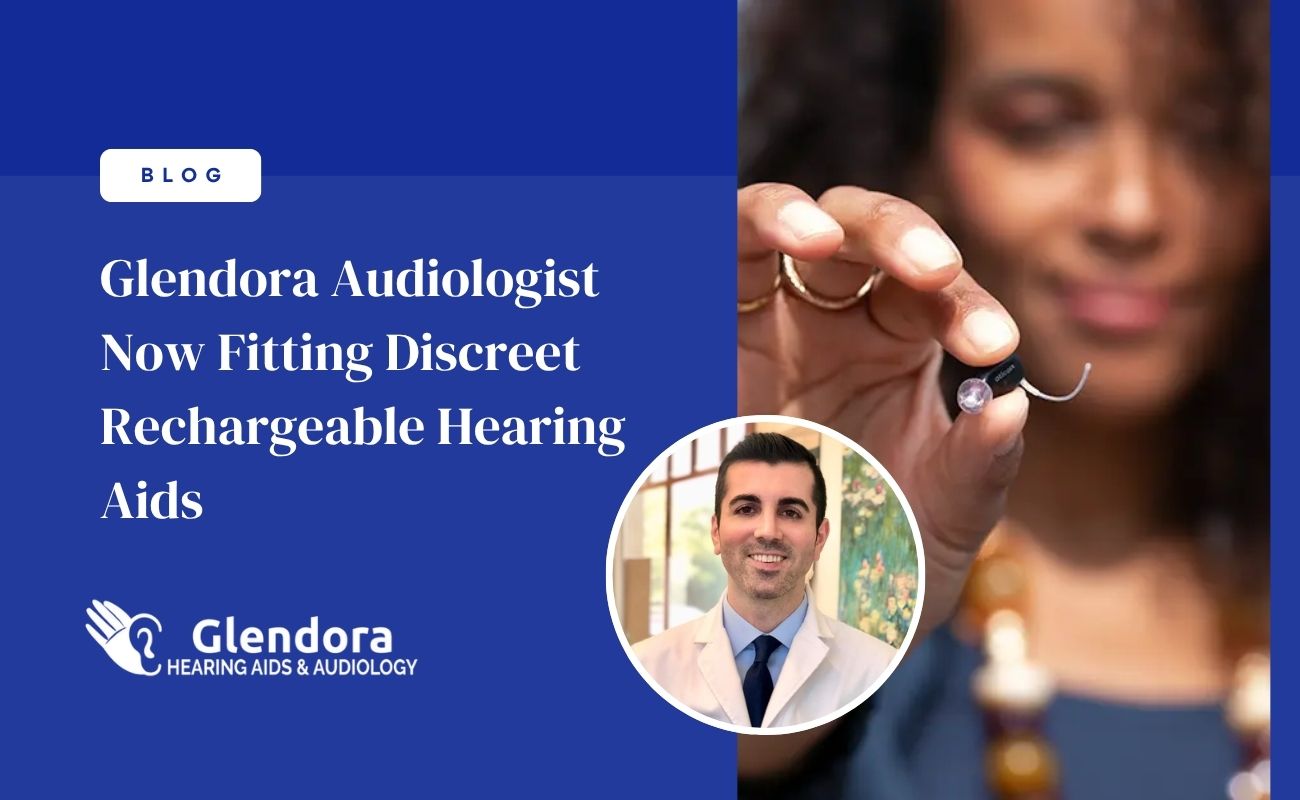
Some hearing aids on the market are fully activated for Auracast right now. ReSound's newer devices, for example, are built to receive Auracast broadcasts without any additional update. Oticon's newest discreet model is the same way, it can access Auracast today, no firmware update pending.
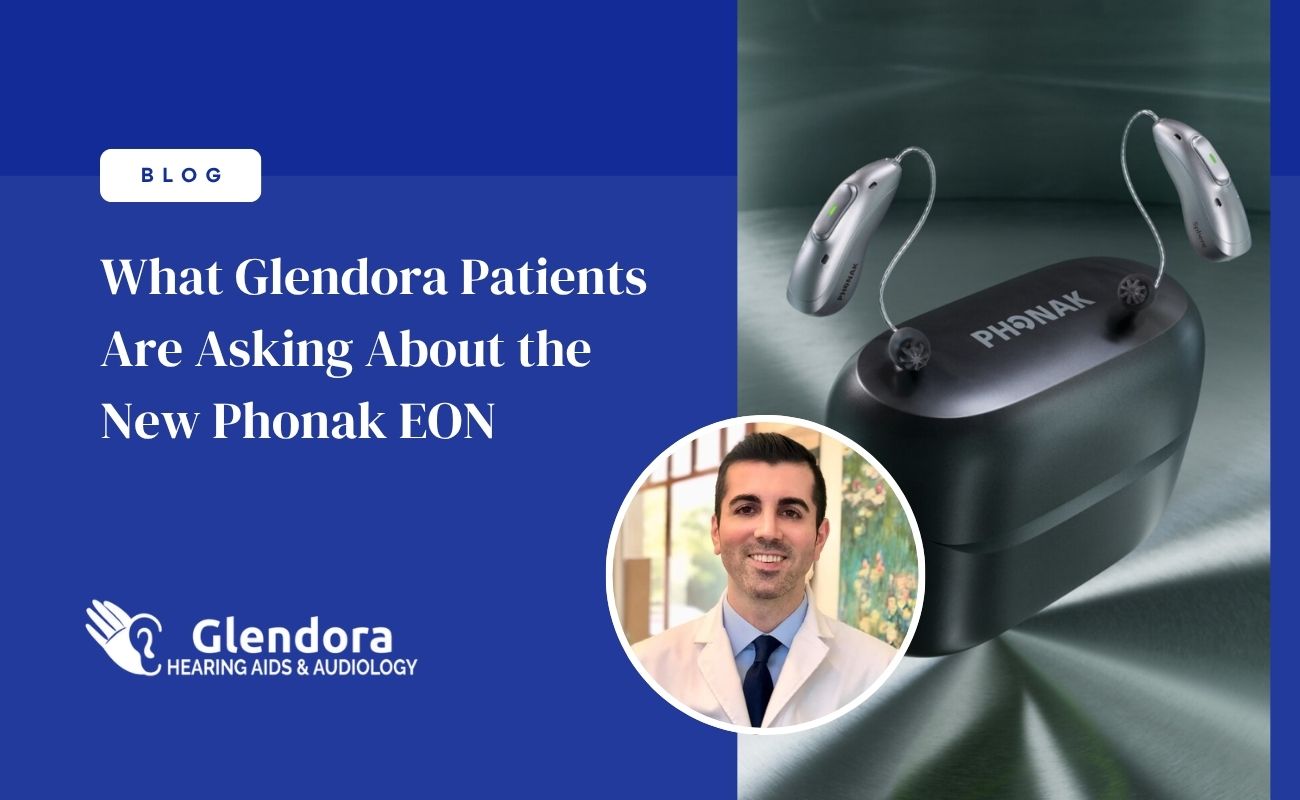
Other devices are labeled "Auracast ready," which is a different thing entirely. Phonak's newest platform includes the hardware for Auracast, but the feature is waiting on a firmware update before it turns on. Widex's latest flagship is in the same position. Starkey's newest AI platform also supports LE Audio and Auracast readiness, and their firmware updates have historically rolled out fairly quickly once features are finalized.
None of this makes one device better than another. But if Auracast is a reason you're considering an upgrade, you'll want to know whether you're buying something that works today or something that will work eventually. We'll walk you through that distinction honestly, brand by brand, before you decide.
Is It Time to Upgrade?
If your current hearing aids are five years old or more, there's a good chance they predate Bluetooth LE Audio entirely. Older Bluetooth streaming still works fine for calls and music, but it won't pick up Auracast broadcasts no matter how many venues adopt the technology. That's not a flaw in your current devices, it's just a different generation of hardware.
We're not saying rush out and replace hearing aids that are still serving you well. But if you're already frustrated with TV audio, or you travel through airports and public spaces where Auracast is starting to appear, it's worth a conversation about what current technology can actually do for you.
Ask Us About Auracast in Glendora
Dr. Kevin Ivory keeps close tabs on what's changing across Oticon, ReSound, Starkey, Signia, Phonak, and Widex, including which models are Auracast-ready in name only and which ones actually deliver it today. If you're curious whether your current hearing aids support this or you're weighing an upgrade, give us a call at (626) 963-7200 and we'll walk you through your options honestly, no pressure, no guesswork.
Written by
Reviewed by
Dr. Kevin H. IvoryAudiologist & University Instructor
Read full bioDr. Kevin Ivory, Au.D., CCC-A received his Bachelor of Arts (Psychology) Degree from the University of Wisconsin-Madison. He then went on to earn his Doctor of Audiology degree from Rush University Medical Center in Chicago, one of the top 10 audiology residential programs in the country.


.webp)

.png)

